
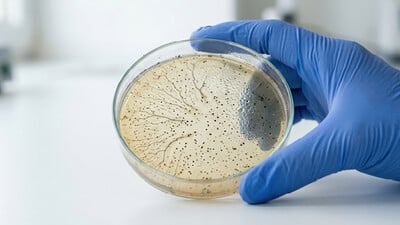
Medical Half the tooling, no manual assembly, and a whole sterilisation step designed out
One tool moulds dish and lid, closed by robot in the ISO Class 8 cell: half the tooling and a sterilisation step designed out.
Read the case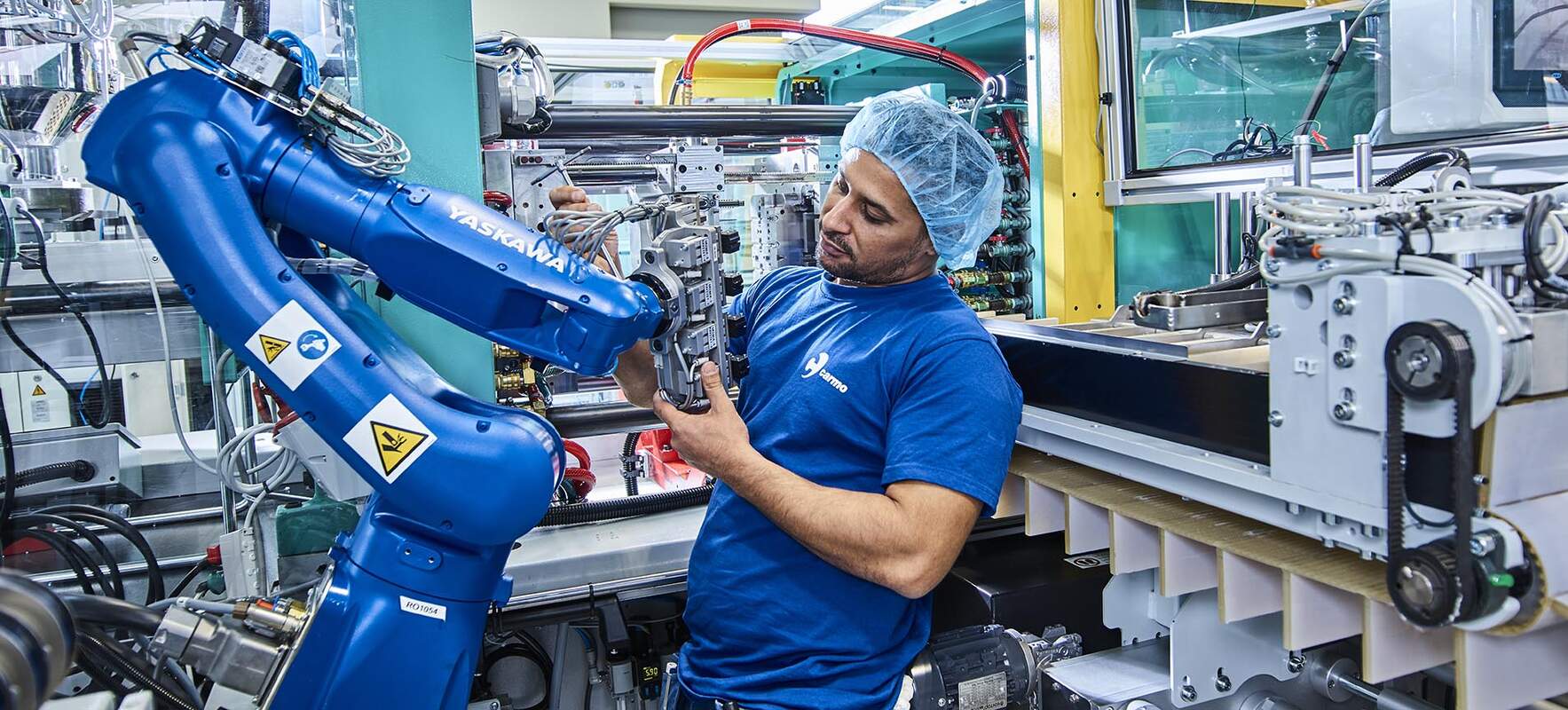
Automated cells for volume, cobots for a low-volume start. Built by our own robotics engineers.
In short: Carmo automates production around your component: 6-axis robots with grippers, jigs and turntables designed in-house; automated feeding, assembly, pad printing, packing and in-line quality control; cobot-assisted cells where volumes are still small.
Automation at Carmo matches the volume:
Growing into more cavities and full automation is covered under scalable production. The film shows a cobot cell at work, from 0:12.

Almost all of our production cells are equipped with 6-axis robots, which automate part handling and packing directly at the machine. We develop our own grippers, jigs and turntables, so a cell is reconfigured if your component changes, and even complex components can be automated:
Reconfiguration of a validated cell is a controlled change. It runs through documented change control under the certified ISO 13485 QMS, with revalidation where required. The documentation is part of the change, so a reconfigured cell is as defensible in your supplier file as the one it replaced.
All good automation projects start with an end-to-end approach to the product: what happens before it, what it integrates into, and how it is processed afterwards?
Understanding this often lets a design feature or a production method eliminate a later step: a snap feature removes an assembly station; a 2K material pairing removes a glue line. Each step removed takes its cost out of production for the life of the component.
We recommend collaborating early in the development phase, so the product is optimised for later automation as part of manufacturing engineering. It can take a little more investment early on, and it pays back in production.
For Carmo, producing in Denmark is a deliberate choice, not a default. Production is highly automated, so the saving from moving to a lower-cost region would be modest, and full control of quality, traceability and responsiveness stays in-house. When it pays off, and when it does not: nearshoring injection moulding to Europe.
Tell us the component and the volumes you expect. We'll propose the cell: what runs automated, what a robot handles, and where manual still makes sense.

One tool moulds dish and lid, closed by robot in the ISO Class 8 cell: half the tooling and a sterilisation step designed out.
Read the case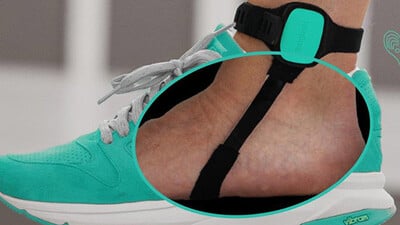
Nine functional medical components in a medical-grade material: months taken out of a timeline that had already run long.
Read the case
Functional prototypes in the production material in 1–2 days, where a conventional mould tool takes up to six weeks.
Read the caseAlmost all of Carmo’s moulding cells run 6-axis robots that take the part from the mould, present it for in-line inspection and pass it on to assembly, pad printing and packing; feeding and boxing run automatically. The grippers, jigs and turntables are designed in-house, so each cell is built around the component it runs.
Yes. A cobot-assisted cell moves the part from the press to a turntable for pad printing and on to a jig for assembly: semi-manual and slower, at a fraction of the cost of a full line. Cobot cells start production where volumes are still small.
Yes: Carmo automates production around the component, for demanding technical applications as well as medical devices. Carmo develops its own robotic grippers, so even complex components can be automated, and if a component changes the cell is reconfigured.
Reconfiguration on a validated process runs through documented change control, with revalidation where required, under the certified ISO 13485 QMS, documented under quality assurance at Carmo.
Yes, when automation is considered early in development. Looking at what happens before, during and after moulding often lets a design feature replace a later step: a snap feature can remove an assembly station, and a 2K material pairing can remove a glue line. Each step removed takes its cost out of production for the life of the component; the design work runs as part of manufacturing engineering.
More than 80 years of continuous private ownership: one team from prototype to volume, no handover.
ISO 13485-certified quality management and an ISO Class 8 cleanroom environment: components with the documentation your audit asks for.
You bring the problem; we bring the know-how to solve it. We don’t walk away from the hard ones. Hear it from our customers.