
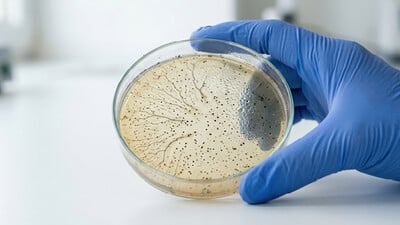
Medical Half the tooling, no manual assembly, and a whole sterilisation step designed out
One tool moulds dish and lid, closed by robot in the ISO Class 8 cell: half the tooling and a sterilisation step designed out.
Read the case
A design change now costs a meeting. It could save you millions.
In short: Carmo’s manufacturing engineering is design for manufacturing (DFM) done by the people who will manufacture your part and live with the daily consequences. A change before the design freezes costs a meeting; after tooling it costs serious money and time.
Six things our injection-moulding engineers check:

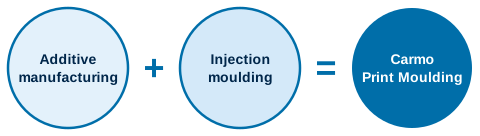
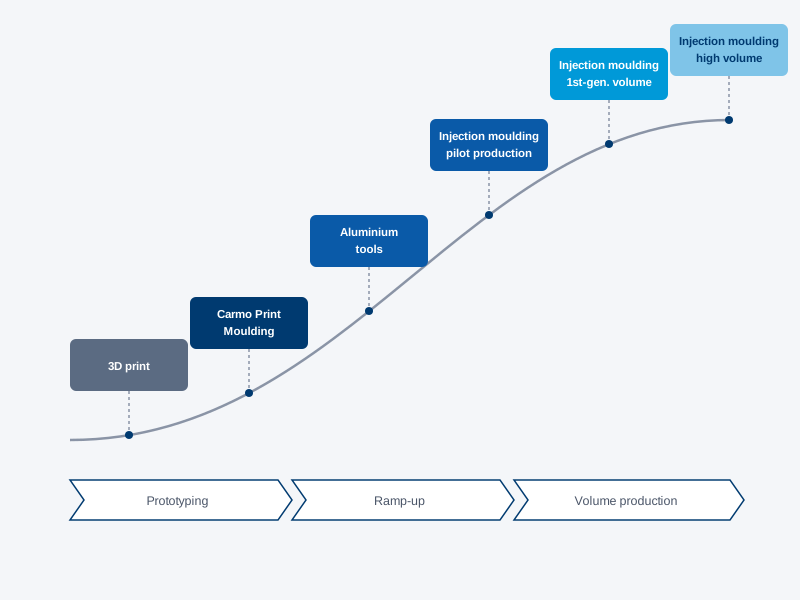
A review is an opinion until a part exists: how rapid prototyping with Carmo Print Moulding works.
Manufacturing engineering at Carmo stays with the part. The engineers who review the design:
So at scale-up there is no new supplier to qualify: one development and production partner from concept to regulated volume production.
If your component will be assembled, inspected, printed or packed in a cleanroom, that requirement enters the review at this stage: cleanroom production at Carmo.

Some of the highest-leverage work is on components already in production. When you have field experience with the part, our production experience finds the changes worth making:
We recommend, you decide: every change waits for your go, and it pays back over the device’s remaining life.
Carmo Print Moulding, the Carmo SuperValve™ family (built on Carmo’s granted Cross Valve and Turnvalve patents) and the patented Metal Reinforced Eyelet were all developed in-house. Fluid-bag ports and valves and HF-weldable eyelets have been in continuous production for decades. There was no customer to hand a problem back to; we had to make it work. That is the experience that goes into your design review:
Send the drawing or STEP file and tell us where the design stands: concept, frozen, or a part already in production. Email is fine, NDA first if you need it; we’ll tell you within days what we’d change before the tool, and why.

One tool moulds dish and lid, closed by robot in the ISO Class 8 cell: half the tooling and a sterilisation step designed out.
Read the case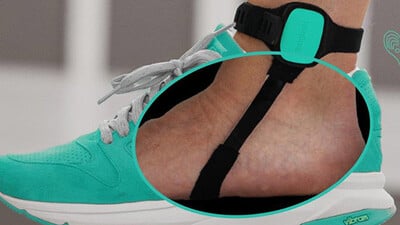
Nine functional medical components in a medical-grade material: months taken out of a timeline that had already run long.
Read the case
Functional prototypes in the production material in 1–2 days, where a conventional mould tool takes up to six weeks.
Read the caseYes, one of the highest-leverage engagements. Decades of production experience find the changes that improve output, lift quality and lower component cost: a multi-piece assembly consolidated into a one-piece 2K or 3K moulding, a more efficient material or recipe, a redesign for higher automation throughput, a downstream finishing step eliminated. Each change is scoped against your change-control and re-validation cost before we propose it; the case is strongest when you already have field experience with the part.
Yes. The engineers who review your design stay with it. The same team prototypes the component in Carmo Print Moulding, writes the tool’s requirements specification, runs the process validation builds (IQ/OQ/PQ) and takes the part into QMS-governed volume production. The design intent settled in the DFM review survives into the tool and the production line.
Every step of plastic component production sits with one engineering team at Carmo; the certified ISO 13485 system covers design, development, manufacture and assembly:
We provide the insight and the recommendation; the decision is yours. Change control on a released device sits with you as the OEM, and every change waits for your explicit go. What a change means on your side (drawing revision, re-validation, regulatory impact) is assessed under your own change control; we give you the engineering case to assess it with.
Fewer handovers on a regulated component, and the engineering instinct: Carmo Print Moulding, the Carmo SuperValve™ family and the patented Metal Reinforced Eyelet were all developed in-house; solving problems by developing the technology rather than buying it is what shaped the integrated setup. Keeping the steps in-house keeps that production knowledge next to the machines, where the DFM review draws on it.
As early as concept or design phase. First-hand production knowledge pays back most when applied early: design for manufacturing, material selection and prototypes in the production material all compound the earlier they are applied. Carmo takes on later-stage projects too (validation, scale-up, redesign of existing components), but the highest-leverage window is before tooling investment is committed.
Medical-device OEMs benefit most, because a supplier change on a released device means re-qualification and re-validation, and Carmo’s certified ISO 13485 QMS covers the chain from validation builds onward. Technical applications across maritime, industrial, agriculture, cleantech and rescue markets benefit when the component must be engineered for the stresses the application demands: UV, saltwater, freeze-thaw, repeated cycling.
Yes. Carmo Print Moulding, the Carmo SuperValve™ family (2K-moulded valves built on Carmo’s granted Cross Valve and Turnvalve patents) and the patented Metal Reinforced Eyelet were all developed in-house, and the same design team does customer-specific work: custom variants of standard components and full custom development from concept.
More than 80 years of continuous private ownership: one team from prototype to volume, no handover.
ISO 13485-certified quality management and an ISO Class 8 cleanroom environment: components with the documentation your audit asks for.
You bring the problem; we bring the know-how to solve it. We don’t walk away from the hard ones. Hear it from our customers.