
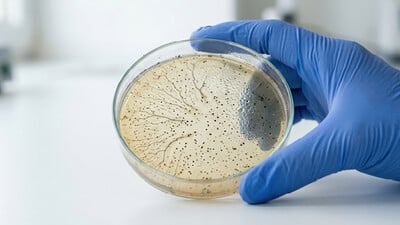
Medical Half the tooling, no manual assembly, and a whole sterilisation step designed out
One tool moulds dish and lid, closed by robot in the ISO Class 8 cell: half the tooling and a sterilisation step designed out.
Read the case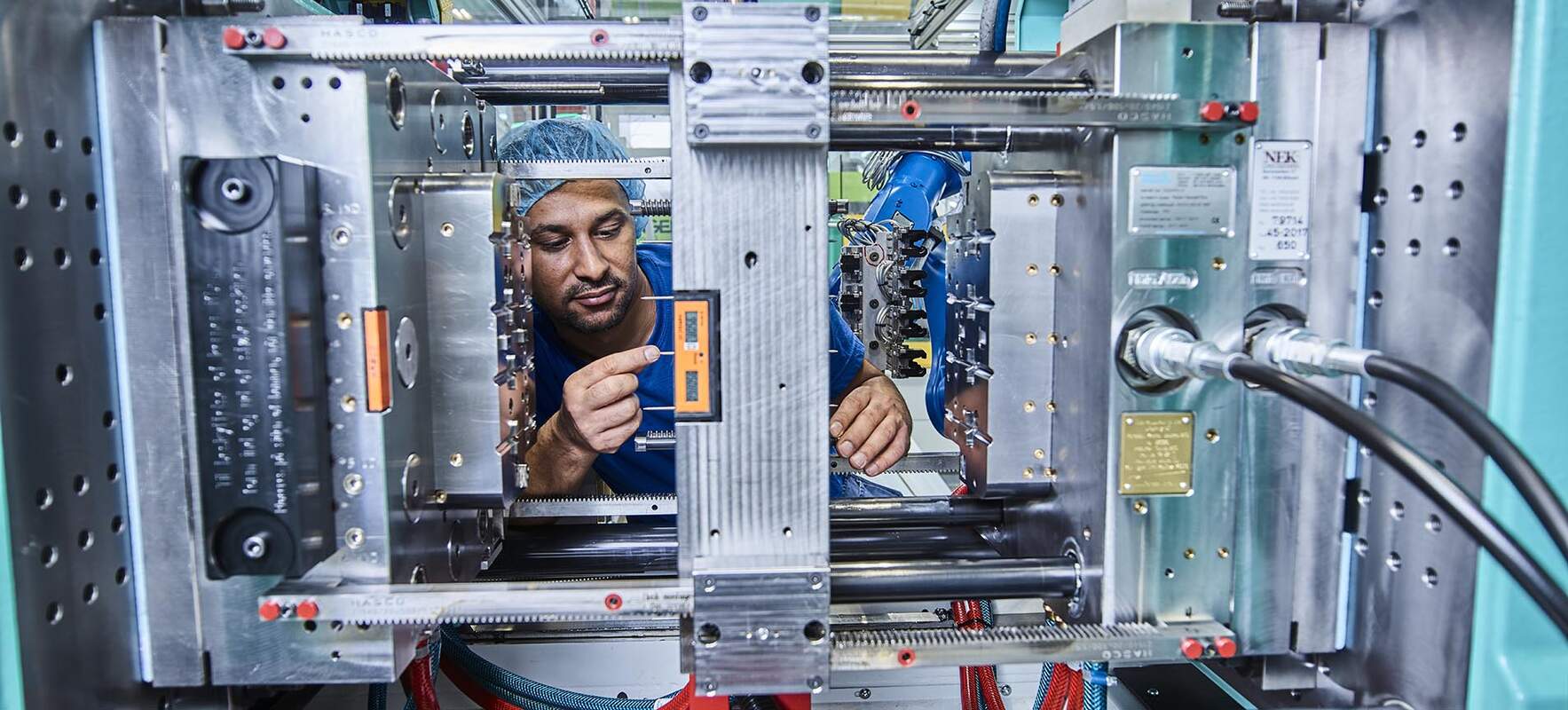
One part from two or three materials, in one tool and one cycle. In-house since 1995.
In short: one part from two or three materials in one tool and one cycle: 2K and 3K moulding, in-house at Carmo since 1995, from sampling ports to a one-piece valve for medical bags, engineered to replace a multi-part assembly. All under the certified ISO 13485 QMS.
Carmo has run two-shot (2K) injection moulding in-house since 1995, one of the longest 2K track records in Denmark. With spin-stack tooling, the second shot adds almost nothing to cycle time.
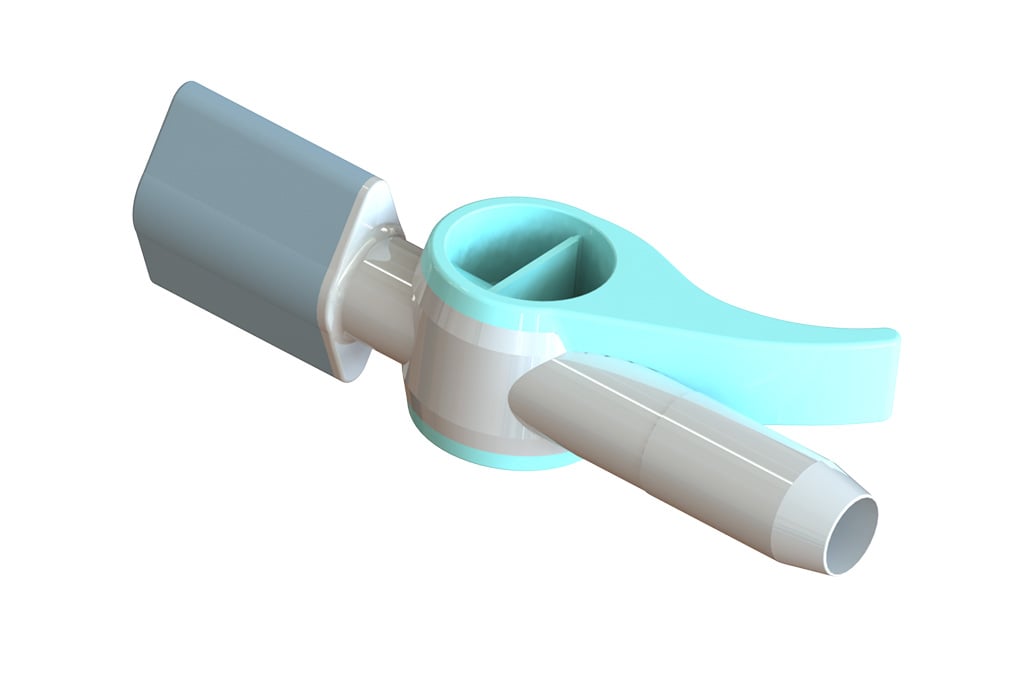
The advantage is clearest in real parts. Two of Carmo’s own 2K designs:
Multi-component moulding covers a family of methods; the right choice depends on the part’s geometry, materials and volume:
| Method | What it does, and where it fits |
|---|---|
| Transfer moulding | the part is moved between two tool halves (or two machines). Handles almost any shape and large parts with few moving elements, at the cost of a longer cycle and slightly lower precision, because the part is repositioned. |
| Core-back | the first shot forms a half-finished part; a core is retracted, and the second shot completes it. Good precision, because the part never leaves the core, and it handles large parts, within some design limits. |
| Rotary table | good precision and a shorter cycle with few moving elements; one tool side is swapped between shots. |
| Index plate | both tool sides can be swapped within limits; in return, a longer cycle and more moving elements. |
| Co-injection | one material is moulded as a core inside another (skin/core). |
| Spin-stack | high-speed multi-component for high volume; the fastest route, though the tooling is complex and dedicated. |
At Carmo we choose the method to fit your part and your volume (see the levels below).
The biggest gain is usually removing parts: an assembly of several components becomes one moulded piece.
The mix of multi-component moulding, spin-stack tooling and design thinking is where a 2K project pays for itself.
Combining materials also has an end-of-life cost: a 2K part needs a separation step before its polymers can be recycled, and whether that outweighs the CO₂ saved by removing assembly is a life-cycle question, assessed per case. Can multi-material components be recycled?
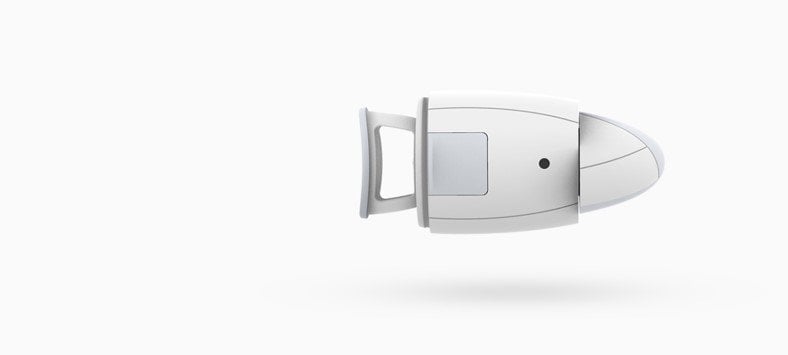
The multi-component mindset reaches beyond two materials in one shot. Related techniques include:
What they share is that they move work out of finishing and assembly and into the moulding itself. Which technique fits your part is typically settled as part of a design for manufacturing (DFM) review; if you’re unsure, our engineers will give you a straight answer. Read more: Overmoulding vs insert moulding.
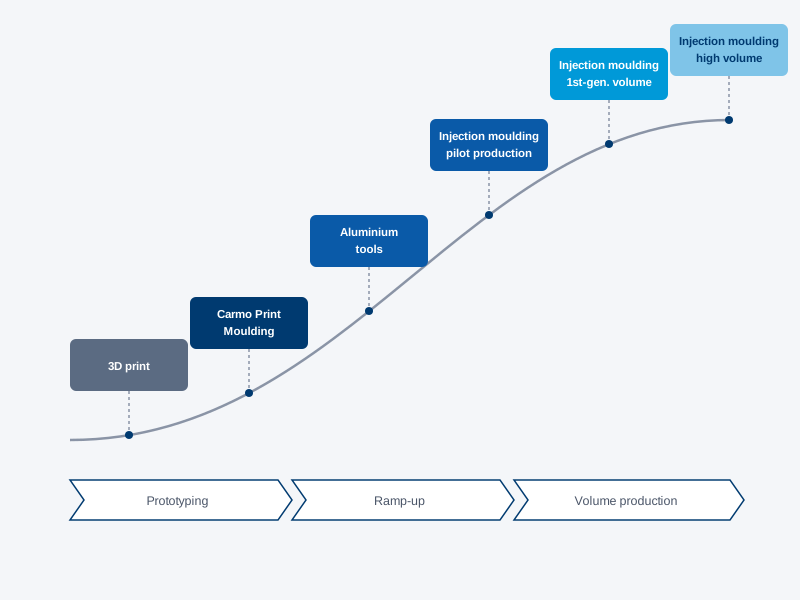
Two-shot moulding usually calls for advanced, and therefore expensive, tooling.
At Carmo you can start at any level, with minimal investment:
Once your part is in production, it runs in-house under Carmo’s ISO 13485-certified quality management system, documented and traceable like every component we make.
Tell us the part and the material pair. We'll propose the method (2K, two-stage overmoulding or insert moulding) and the tooling route that fits your volume.

One tool moulds dish and lid, closed by robot in the ISO Class 8 cell: half the tooling and a sterilisation step designed out.
Read the case
Nine functional medical components in a medical-grade material: months taken out of a timeline that had already run long.
Read the case
Functional prototypes in the production material in 1–2 days, where a conventional mould tool takes up to six weeks.
Read the case2K injection moulding, also called two-shot or multi-component moulding, forms a single part from two materials (or two colours) in one moulding cycle, with no separate assembly step. A common example combines a rigid, structural material with a soft sealing or gripping material in one piece. Carmo runs 1K, 2K and 3K in-house.
All three combine materials, but in different ways. Overmoulding adds a second material over an already-moulded part; insert moulding moulds plastic around a pre-placed component (often metal); 2K (two-shot) moulds two materials in one cycle in one tool. Which one fits depends on geometry, materials and volume. Carmo’s engineering team sets the path as part of the design process.
Yes. Carmo runs 1K, 2K and 3K injection moulding in-house, from design and tool specification to volume production. Multi-component moulding is a core capability, not an outsourced step.
2K is the right choice when a part needs two material properties at once, for example a rigid body with a soft seal or grip, or when consolidating a multi-part assembly into one moulded piece reduces cost and failure points. It also helps where a separate bonding or assembly step would add a regulated process variable to your device file. The trade-off is tooling complexity, which Carmo’s engineers weigh against the per-part and assembly savings during the design process.
Replacing a multi-part assembly with a single 2K-moulded part removes assembly work, eliminates the failure points at every joint or bond, lowers the component price and uses less material per part. For both medical and technical components, fewer parts mean fewer things to qualify and fewer things that can leak or fail in service: savings that compound across the regulated life of the product.
Yes. 2K and 3K moulding runs in-house at Carmo under the ISO 13485-certified quality management system. Documentation and traceability for every component are covered under quality assurance at Carmo.
More than 80 years of continuous private ownership: one team from prototype to volume, no handover.
ISO 13485-certified quality management and an ISO Class 8 cleanroom environment: components with the documentation your audit asks for.
You bring the problem; we bring the know-how to solve it. We don’t walk away from the hard ones. Hear it from our customers.